Guidelines for Selecting the Right Boat Rentals for Your Future Adventure
When it comes to choosing the perfect boat rentals for your next adventure, it's essential to contemplate what type of experience you're seeking. Are you planning a fishing trip, a leisurely cruise, or something else completely? Understanding your targets will influence your choices, but there are various other factors to remember. For example, how much should you reserve for this experience? Let's explore the essential tips Lake Pleasant Boat Rental you need to make the right decision.
What Sort of Boating Adventure Are You Seeking?
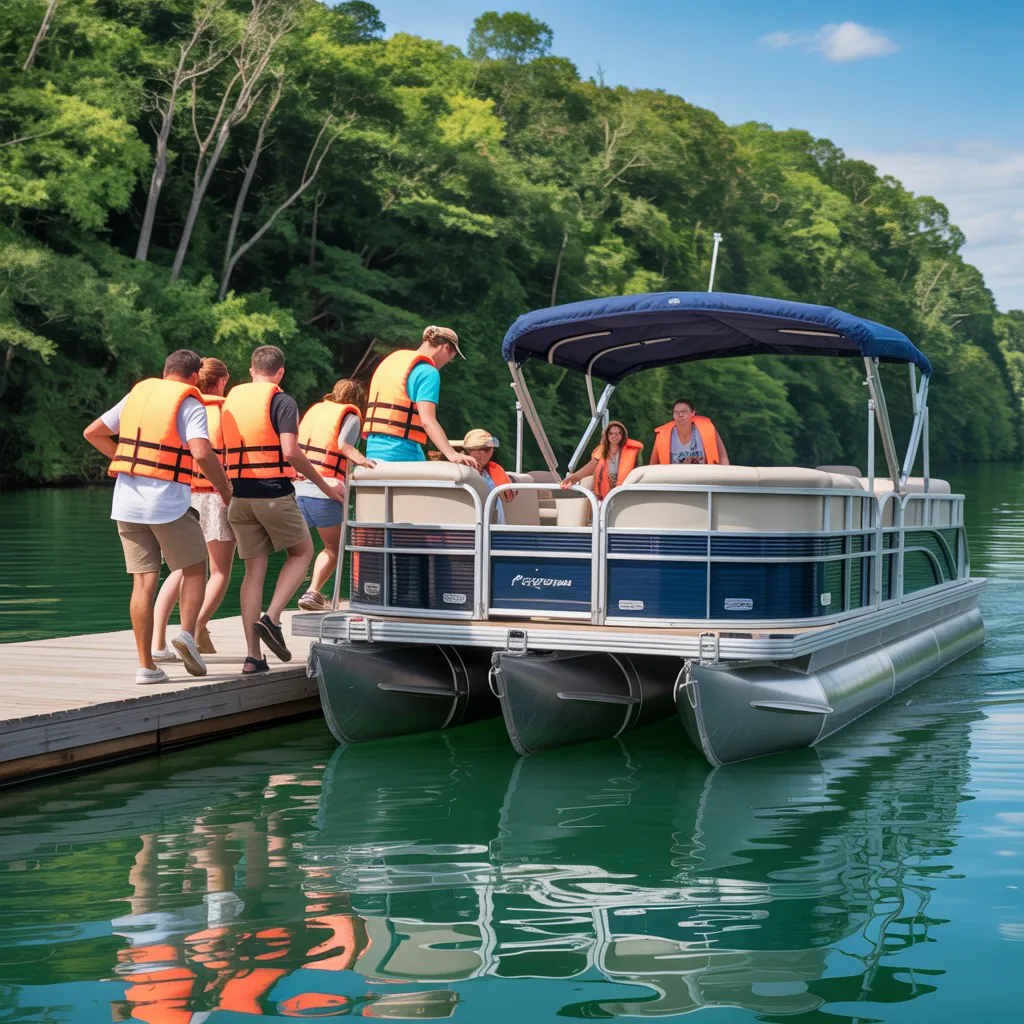
What kind of boating experience are you after? Identifying your preferences is essential, whether you seek a peaceful day on tranquil waters or a thrilling expedition. A robust fishing vessel with ample gear storage is perfect if fishing is your goal. For easygoing excursions with your group, a pontoon ensures comfort and capacity. Should velocity thrill you, think about a streamlined speedboat. Smaller, intimate boats are perfect for romantic evening cruises. You could also try kayaking or paddleboarding for a more energetic outing. Knowing your preferences will help refine your choices, guaranteeing you pick the ideal boat matching your expectations. Reflect on the pursuits you aim to enjoy and pick a rental that suits your way of life.

What Amount Should You Budget for Boat Rentals?
As you plan your boating excursion, it's important to allocate a budget that covers not just the rental fee but also any supplementary costs you might face. Start by researching rental prices in your chosen location, as rates can vary greatly. Consider the size and type of boat you'll want, as this will influence your overall cost. Don't forget to factor in fuel costs, insurance, and any potential security deposits. Furthermore, think about the fees of equipment rentals, such as life jackets or fishing gear, if needed. Lastly, include extra funds for unexpected charges or fun add-ons like guided tours. With a thoughtfully organized budget, you can fully appreciate your experience without financial stress.
What Kinds of Boat Rentals Should You Think About?
Have you ever wondered which type of boat rental meets your needs? Start by thinking about your planned activities. If you're fishing, a fishing boat with rod holders and live wells will suit you best. For leisurely exploration, a pontoon boat offers comfort and space for companions. If you're after speed, a jet ski or powerboat could be your best choice. Sailing enthusiasts should consider sailboats, while those seeking adventure may favor kayaks or paddleboards. Consider the number of passengers, too; larger groups may need a bigger vessel. Also, consider your expertise; some rentals need a boating license, while others include guided services. Choose wisely to ensure your adventure is enjoyable and stress-free!
How Can You Choose the Right Rental Company?
Selecting the right rental company can determine the quality of your boating experience, so it's essential to do your research. Kick off by reviewing online reviews and ratings to gauge customer satisfaction. Look for companies with a excellent reputation and positive feedback about their service and equipment. Next, compare prices and rental policies; transparency in fees is critical. Don't be reluctant to ask about insurance options and safety protocols, as these factors can significantly impact your trip. Additionally, consider the company's experience and local knowledge; they can provide valuable insights about the best spots to explore. Finally, visit their location if possible to evaluate their professionalism and the condition of their fleet. With these guidelines, you'll locate a reliable rental company for your adventure.
Inspect Boat Condition and Features: Are They Suitable for Your Purposes?
Before you set sail, it's crucial to check the boat's maintenance records to confirm it's in good shape. You'll also should assess the important equipment features to check if they fulfill your expectations. Following these measures can enable you to sidestep potential complications and enrich your boating experience.
Assess Boat Maintenance Records
When examining boat rentals, checking the maintenance history is critical for understanding the vessel's condition and features. You need to understand how well the boat has been serviced and if any major repairs have happened. Ask the rental company for records of routine maintenance, such as engine checks and hull inspections. A well-maintained boat can enhance your experience, ensuring safety and reliability on the water. Watch for signs of wear and tear or neglect, which could indicate potential issues during your rental period. Also, confirm that safety equipment has been regularly inspected and serviced. By reviewing the maintenance history, you'll make a more informed decision, ensuring the boat fulfills your adventure needs.
Analyze Important Equipment Features
To guarantee your boat rental fulfills your requirements, it's essential to evaluate the key equipment features. Start by checking the boat's size and capacity to ensure it accommodates your group comfortably. Look for safety equipment such as life jackets, fire extinguishers, and first aid kits—these are mandatory. Assess the navigation tools, such as GPS and depth finders, especially if you're not familiar with the water. Don't forget about the engine and fuel type; you'll need something dependable and fuel-efficient for your adventure. In conclusion, examine the amenities, like seating arrangements and storage space, to ensure they match your plans. By thoroughly evaluating these features, you'll ensure a memorable and safe boating experience.
What Are the Rules and Regulations You Should Be Aware Of?
Before setting out on the water, it's vital to know the local boating ordinances that may influence your experience. Make certain you know the safety equipment requirements and whether you need any licenses or permits. Being informed will help provide a safe and enjoyable outing.
Local Watercraft Regulations
Understanding local boating ordinances is vital for a secure and pleasant experience on the water. Before you depart, learn about the rules in your area. Determine if you need a boating license or safety certification; many places require them for operating certain vessels. Be aware of speed limits, no-wake zones, and restricted areas where boating may be banned. Moreover, study the guidelines regarding fishing and wildlife interactions to ensure you're respecting local ecosystems. Keep in mind that operating under the influence of alcohol is illegal and can result in serious penalties. In conclusion, always look for any local advisories or seasonal restrictions that might affect your boating plans. Following these laws keeps everyone safe and helps protect the waterways.
Required Safety Equipment
Understanding local boating rules is just the start; knowing the safety equipment needs is equally important for a safe day on the water. Each location has particular rules, but there are common essentials you should always have on board. Life jackets for every passenger are mandatory, and they need to be Coast Guard-approved. Make certain you also carry a fire extinguisher, a whistle or horn for signaling, and a first aid kit. Based on your boat's size, you might require additional safety equipment, including flares or a throwable flotation device. Always verify the weather conditions before you depart, and ensure you have a reliable communication device. Safety first guarantees a fun adventure!
Licensing and Permits
While organizing a day on the water, understanding the required licensing and permits can save you from potential fines and headaches. Different states have different regulations related to boat rentals, so it's vital to do your research before you go. Verify you have a valid boating license if required, and check whether the rental company offers any needed permits. Some areas may also mandate additional permits for particular activities like fishing or water sports. Remember age restrictions—if you're renting a boat for younger passengers, confirm they meet the minimum age requirements. Finally, always study local laws to steer clear of any surprises, and keep a copy of your permits handy while you're out on the water. Happy boating!
How Should You Prepare for an Effortless Journey?
To secure a smooth experience on your boat rental, commence by arranging your itinerary and checking the weather forecasts. Understanding your route assists you in navigating effectively and avoid any unexpected situations. Don't forget to pack crucial items like life jackets, sunscreen, and snacks. Ensure you familiarize yourself with the boat's controls and safety equipment before departing from the dock.
Inspect the boat for any issues or malfunctions and report problems to the rental company. A quick safety briefing with your crew can also ensure everyone's on the same page. Finally, consider setting a departure time that allows for plenty of daylight, giving you plenty of time to enjoy your adventure without feeling rushed. Happy boating!
Common Questions
What Insurance Coverage Is Available for Boat Rentals?
There are a number of insurance alternatives for boat rentals, which include liability coverage, collision damage waivers, and personal accident insurance. Check with the rental company to find out what's offered and choose what's most suitable for your trip.
Can I Use My Own Equipment or Gear?
Bringing your own equipment or gear when renting a boat is usually permitted. Be sure to check with the rental company first to confirm they permit it and verify any particular guidelines or restrictions they may have.
How Do Weather Conditions Affect Boat Rentals?
Weather conditions significantly impact boat rentals. You'll want to check weather forecasts for wind, rain, or storms. Bad weather can restrict your options or even bring about cancellations, so keep yourself informed before heading out.
Do Age Restrictions Apply When Renting a Boat?
Yes, there are age restrictions for renting a boat. Rental companies typically require renters to be a minimum of 18 or 21 years old. Some may allow younger operators with adult supervision or special permits.
How Should I Respond in an Emergency Situation?
During an emergency, keep your composure, examine the conditions, and call for help. Use flares or whistles to alert nearby boats, and observe safety procedures you learned prior to heading out on your voyage.